


A Level Playing Field is the No.1 destination for audio and written content on women’s football in Scotland. Their brilliant weekly podcast, hosted by Alison McConnell and Cheryl Smith, brings you closer to the players and stories shaping the game in this country. Every month Nutmeg FC will feature a collaborative article. Here, Alison considers the potential impact of great telly on public perceptions of the women’s game.
By Alison McConnell
“You think he’s mad now? Wait until we win him over… He’ll. Be. Furious.”
This line from Ted Lasso, from all the way back in the opening episode of the first series, could well apply to anyone paying attention to the latest instalment of the critically acclaimed television drama. Those invested in any passing way in the women’s game and taking note of the daily, accumulative inequities can only be aggrieved.
After a three-year pause, coach Lasso has been enticed to return from his Kansas supermarket checkout to take charge of the fictional Lady Greyhounds, AFC Richmond’s second division women’s team. What isn’t fictional is the serious imbalance that impacts the women’s game and its growth, and the challenges that players are faced with on a daily basis.
Indeed, the very first interaction between Lasso and his team takes place in their crappy dressing room, a cramped space with one shower and one toilet that they share on some days — “but on Tuesdays and Thursdays we get to keep our toiletries overnight” — with the club’s youth academy side.
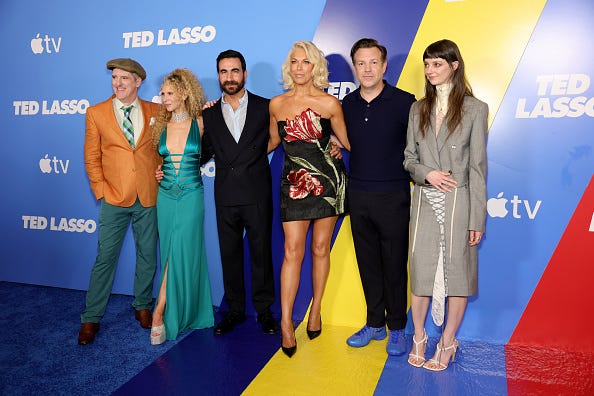
By the end of the second episode, the women have been upgraded. A successful pitch for the away men’s team changing room means they are left delighted with a place that feels positively luxurious in comparison. Any sugary-sweet intonations, though, are rebuffed with an immediate scene questioning the “long-term viability” of the women’s team. That will resonate loudly on these shores.
For those who baulk at the subject matter, knee-jerking to denounce this fourth season as ‘woke’, the Ted Lasso tone remains; it is light, quirky and fully on-brand. It always was an antidote to toxic masculinity.
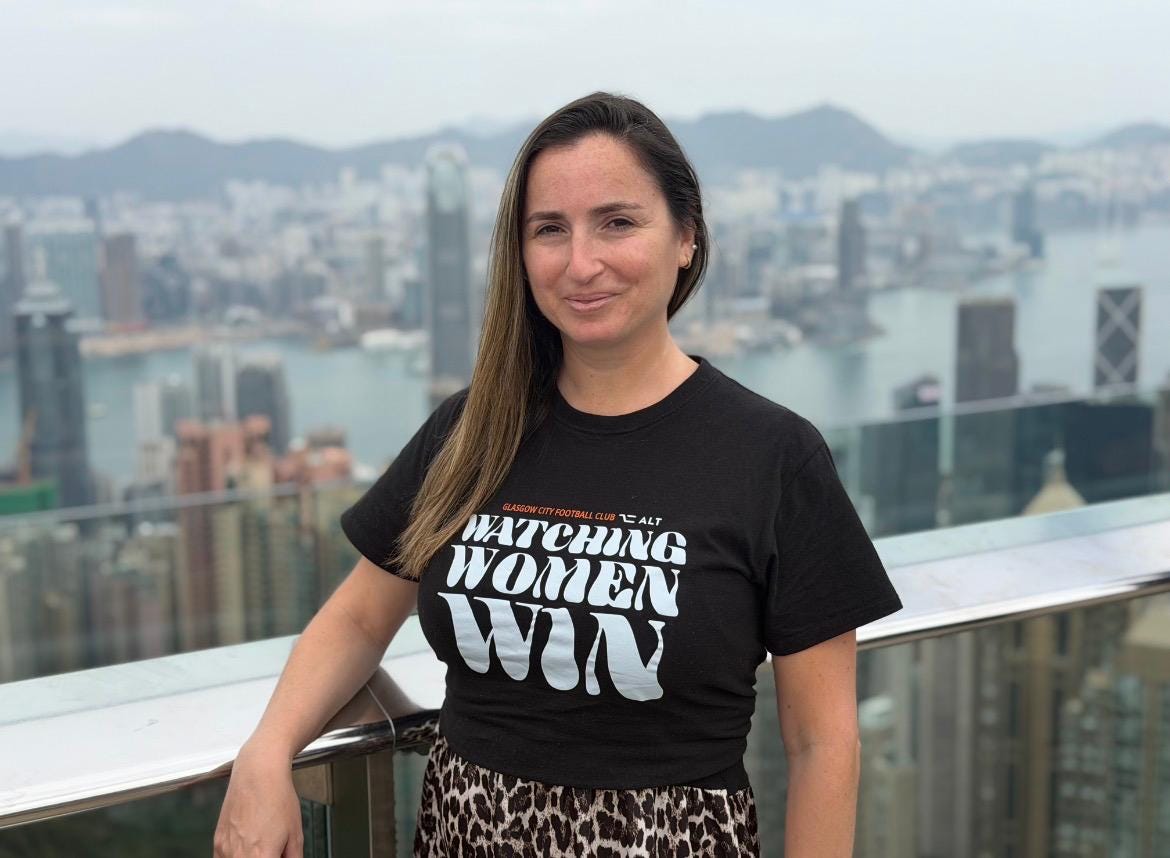
For Stef McLoughlin, head of commercial at Glasgow City, bringing these issues into living rooms up and down the country is also notable.
“Making these issues mainstream and making people think about things in a different way is always going to be helpful,” she said. “I have always felt that women’s football has a very values-driven audience which is why I think that showing the inequities is so good.
“That whole conversation about where to play, fundraising for kits and scouring constantly for resources is something that I don’t think too many people really grasp.
“Whenever the Euros is on or in the aftermath of a big tournament like that there can be a flux of activity but the reality is that women’s football attracts quite a cult following. Clubs need to work super-hard to get investment and bring people to the table.
“In episode 3 of this season, there is a conversation about a game being ‘just a friendly.’ It is never just a friendly for women. Failure is never an option for women. There is this constant, desperate need for growth. And this exhausting fight over why it matters.
“The fact that it is the top-performing Apple TV show at the minute brings these conversations to a very mainstream audience. It gives the women’s game the chance to push to be part of mainstream culture. It is a golden opportunity to educate people on the realities involved in the women’s game. Anything that pushes the profile can only be of benefit.”
Most tellingly, it is not just the lack of investment that the show portrays but the lack of belief in the women’s game. There is disparity in the tangibles — the kit, the money, the pitches, the resources — but in the narratives, too. The tentative nature of investors and the constant, draining fight for visibility.
There is also, inevitably, a nod to what any woman who plays football, is involved in football or is an advocate of football absorbs daily. “Welcome back, coach,” a passer-by says to Lasso on his return to the club. “Too bad you’re coaching a bunch of girls. You wanker.”
For those with preconceived ideas about what women’s football is, its relevance and its right to exist, a TV show is unlikely to significantly change their point of view. But cultural changes are slow. And bringing these conversations to an audience that isn’t just a niche female football audience but a discerning mainstream crowd is a golden opportunity.
The latest edition of Nutmeg Magazine has just been sent to the printers. To subscribe, choose ‘Annual’ below — and it will be dropping through your letterbox in early September.
